
Field Hockey
Semifinal Secured, but Malaysia Remains India's Real Test
ভারত ও মালয়েশিয়ার মধ্যকার এশিয়ান চ্যাম্পিয়ন্স ট্রফির চতুর্থ রাউন্ড-রবিন ম্যাচে ভারতের সেমিফাইনালে জায়গা আগেই নিশ্চিত। তিন ম্যাচে ভারতের ফল ১৩-০ (বাংলাদেশ), ৫-২ (চীন) ও ৪-১ (জাপান), তবে বাংলাদেশের ম্যাচ বাদ দিলে স্কোর ৯-৩। মূল কৌশলগত ফোকাস অধিনায়ক হরমনপ্রীত সিংয়ের নেতৃত্বে পেনাল্টি কর্নার আক্রমণ এবং মালয়েশিয়ার গভীর ব্লক ভাঙার সক্ষমতা। এশিয়ান চ্যাম্পাইনস ট্রফি অলিম্পিকের সরাসরি কোটা দেয় না; এশিয়ার অলিম্পিক পথ এশিয়ান Games চ্যাম্পিয়নের মাধ্যমে নির্ধারিত হয়।
India host Malaysia on Sunday in the fourth round-robin match of the Asian Champions Trophy. Three matches, three wins: 13-0 against Bangladesh, 5-2 against China, 4-1 against Japan. A semifinal place is already secured. Yet the expectation around this fixture is driven not by results but by the opponent.
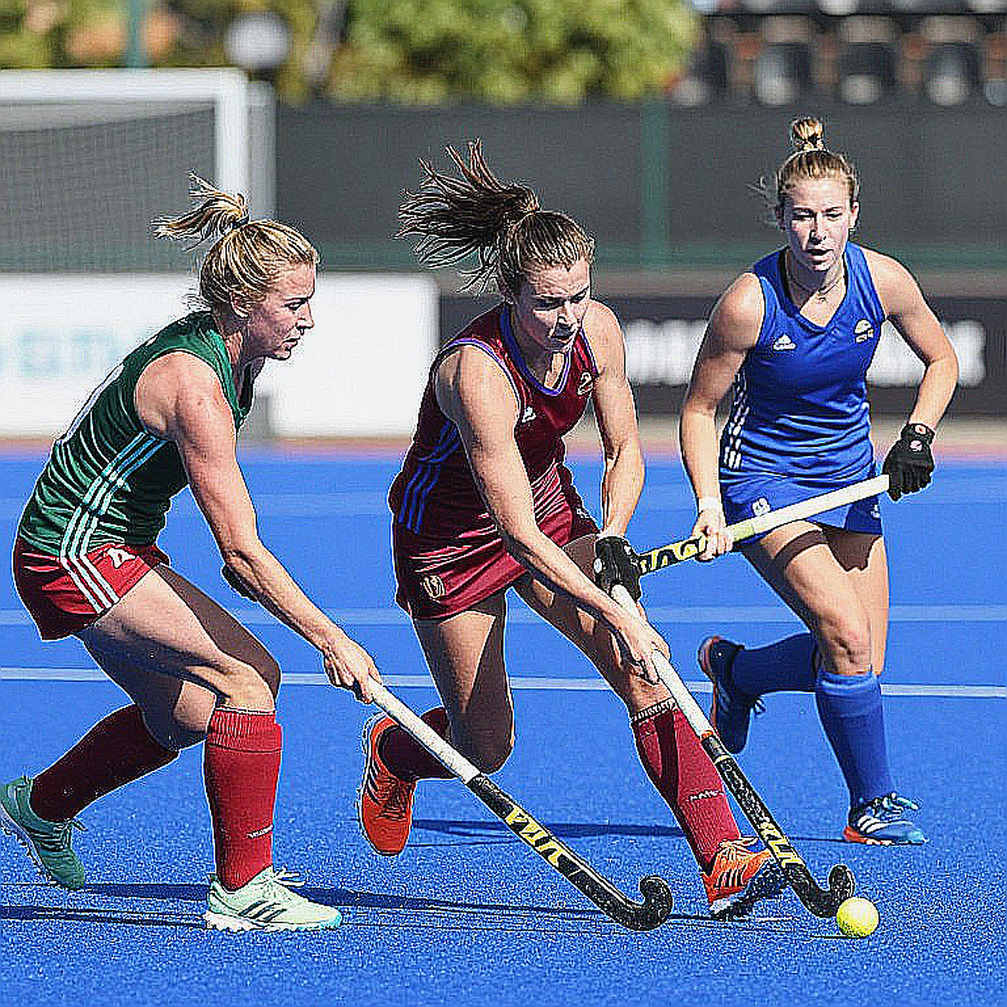
One clarification first: this is field hockey, not ice hockey. Governed by the FIH, it is played 11-a-side on artificial turf across four 15-minute quarters, with rolling substitutions and card-enforced spells a man down that swing matches more than in most team sports.
India's recent form looks emphatic, but the numbers need deflating. Thirteen of the 22 goals came against Bangladesh, a side well outside the global top 20. Remove that match and India's tournament profile is 9-3—a two-goal margin per game. Solid, but not the dominance the 22-3 aggregate implies.
The defensive trend deserves more attention than the attacking headline. India conceded twice against China, a much lower-ranked side, and once against Japan. The only clean sheet came against the weakest opponent. Malaysia are a far more accomplished counter-attacking side than China; a clean sheet is not a safe assumption.
The central tactical question is the penalty corner. India's corner routine is built around Harmanpreet Singh, the captain and primary drag flicker. That dependency is simultaneously India's clearest edge and its clearest single point of failure. Contain him, or rest him, and the corner supply line can stall. Malaysia are traditionally well drilled in corner defence; this duel may decide the match.
Malaysia's likely plan is predictable. Against a stronger host they will defend deep, concede harmless possession, protect the circle and strike on fast vertical transitions. India's most persistent structural weakness is breaking down exactly that kind of compact block. The first three opponents did not apply that test. Malaysia can.
The 'first real test' framing deserves scrutiny. Japan, not Malaysia, may already have been the strongest opponent faced—and India conceded in that match. The real question is not the quality of the opposition but whether India's defensive structure holds when they do not have 70 percent of the ball.
There is also a practical reality. With a semifinal place secured, squad rotation is likely. That makes the fixture a testing ground for combinations and fringe players, which lowers both the intensity and the predictive value of the result.
Calling Malaysia 'traditionally difficult opponents' is not filler. They have beaten India in knockout hockey within the last decade, and they reached the most recent Asian Games final, where India won 5-1. That scoreline is a strong indicator but a weak predictor: finalists who go behind must open up, which inflates margins. A fourth round-robin match with qualification already secured is a structurally different contest. Reports describing that final also contain venue and timing details that do not reconcile with the historical record and require independent verification.
Context matters too. The Asian Champions Trophy is a continental second-tier event, below the Olympics, World Cup and Pro League. It carries no direct Olympic berth; Asia's pathway runs through the Asian Games champion. Winning it adds marginal ranking points and does not alter India's seeding at major tournaments.
Globally, India sit around fifth—a medal challenger, and a title contender continentally. Malaysia are ranked roughly 12th to 13th: participant level globally, medal challengers in Asia. Japan sit around 15th to 16th, China in the 25-30 range. The Netherlands, Belgium, Australia, Germany, Argentina, Spain and England remain the benchmark. That gap is precisely why a continental round-robin cannot generate conclusions about global capability.
Home advantage is unambiguous: familiar turf, crowd support, no travel load. But home pressure in Indian hockey is equally real, and it can weigh heavier than the benefits.
Ultimately the value of this match lies in the questions, not the result. Can India break a compact block? Is there a scoring source beyond the penalty corner? How does the attack function without Harmanpreet? Answering those means the tournament has done its job. A win is a bonus; a defeat is not a crisis.
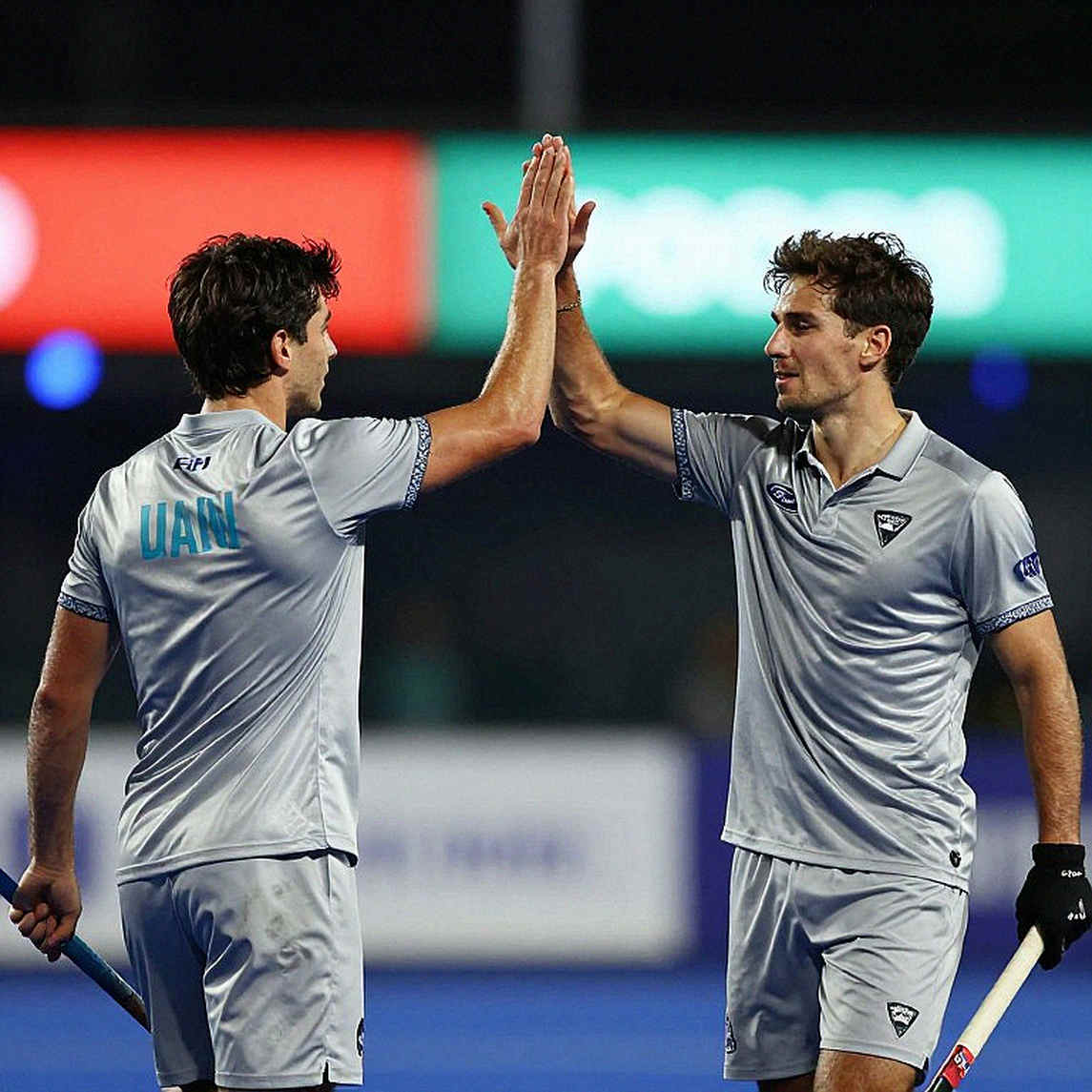

Related Players
Recommended
In the Shadow of the Penalty Corner: Where the India-Pakistan Semi-Final Will Actually Be Decided2026-10-22
The Empty Ledger: Bangladesh Hockey's Invisible Data Log2026-10-10
Bangladesh Women's Handball 33-20 Win: Three Questions Hidden Behind the Scoreline2026-10-22
The Guangdong Tour and Pakistan's Ledger: A Provincial Side, the Youth Pipeline, and the Real Arithmetic of a Trial2026-09-26
The Empty Seat: An Asian Champions Trophy Without Pakistan, and Asian Hockey's Ledger2026-10-08
Recommended
One Line for Hockey, Thirty-Four for the Rest: Reading the Asian Games Pool Match That Actually Matters2026-10-20
The Blank Line: Pakistan Is Out, Bangladesh Has Been Called, and the Fractured Frame of Asian Hockey2026-10-08
Is Malaysia Really India's 'First Real Test'? The Data Tells a Different Story2026-11-02
Pakistan's Empty Chair, Bangladesh's Hard Arithmetic: What Five Matches at the Asian Champions Trophy Actually Hide2026-10-15
Recommended
Penalty-Corner Reliance and Jimi's Return: What Bangladesh's Asian Games Journey Teaches2026-09-27
A 44-Year Wait, a 1-0 Final, and the Weight of Seven Goals2026-11-01
Pakistan's Empty Chair, Bangladesh's Hard Arithmetic: What Five Matches at the Asian Champions Trophy Actually Hide2026-10-15
The Final Nobody Wrote a Score For: Hockey's Invisible Base, a Highlights Video, and the Strange Arithmetic of Under-352026-10-08
The Blank Line: Pakistan Is Out, Bangladesh Has Been Called, and the Fractured Frame of Asian Hockey2026-10-08
Recommended
The Guangdong Tour and Pakistan's Ledger: A Provincial Side, the Youth Pipeline, and the Real Arithmetic of a Trial2026-09-26
Asian Games Hockey: Bangladesh’s ‘Success’ Is a Confession of Structural Crisis2026-09-27
The Final Nobody Wrote a Score For: Hockey's Invisible Base, a Highlights Video, and the Strange Arithmetic of Under-352026-10-08