
What Megan Schutt's Two-Match Ban Actually Says: The Calendar Sets the Price, Not the Offence
**মূল উত্তর:** ক্রিকেট অস্ট্রেলিয়া প্রেসক্র্রিপশন ওষুধ সংক্রান্ত SSSM নির্দেশিকা ভঙ্গের কারণে মেগান শাটকে দুই ম্যাচের নিষেধাজ্ঞা দিয়েছে। নিষেধাজ্ঞা International ও ঘরোয়া দুই ক্রিকেটেই প্রযোজ্য; তিনি WBBL মৌসুমের উদ্বোধনী ম্যাচ মিস করবেন। ঘটনাটি একক এবং প্রতিযোগিতার বাইরে ঘটেছে। **মূল তথ্য:** - মেগান শাট অস্ট্রেলিয়ার অভিজ্ঞ ডানহাতি পেস বোলার, নতুন বল ও ডেথ ওভারের বিশেষজ্ঞ। - লঙ্ঘনটি পারফরম্যান্স-বর্ধক উদ্দেশ্যে নয়, এবং প্রতিযোগিতার বাইরে ঘটে। - দুই ম্যাচের নিষেধাজ্ঞা International ও ঘরোয়া—উভয় ক্রিকেটে কার্যকর। - কোন ওষুধ, কোন তারিখ, কোন দুই ফিক্সচার—কোনোটিই বিবৃতিতে উল্লেখ করা হয়নি। - ক্রিকেট অস্ট্রেলিয়া খেলোয়াড়কে সহায়তা অব্যাহত রাখার প্রতিশ্রুতি দিয়েছে। **সূত্র:** ক্রিকেট অস্ট্রেলিয়ার সরকারি বিবৃতি, আইসিসি কর্তৃক পুনঃপ্রকাশিত। বিবৃতিতে প্রকাশের নির্দিষ্ট তারিখ উল্লেখ নেই। **সম্পর্কিত প্রশ্নোত্তর:** প্রশ্ন: মেগান শাট কি অ্যান্টি-ডোপিং কোড ভেঙেছেন? উত্তর: না—এটি ক্রিকেট অস্ট্রেলিয়ার অভ্যন্তরীণ SSSM নীতি ভঙ্গ, WADA কোডের ADRV নয়। প্রশ্ন: দুই ম্যাচের নিষেধাজ্ঞার প্রকৃত প্রভাব কী? উত্তর: প্রভাব নির্ভর করে কোন দুই ফিক্সচার ওই উইন্ডোতে পড়ে তার ওপর; ফিক্সচারের নাম না থাকায় ক্ষতির পরিমাণ নির্ণয় করা সম্ভব নয়। প্রশ্ন: WBBL ফ্র্যাঞ্চাইজি কী ক্ষতিগ্রস্ত হবে? উত্তর: মৌসুমের উদ্বোধনী ম্যাচে সিনিয়র সিমারের অনুপস্থিতি পাওয়ারপ্লে ও ডেথ ওভারের Bowling পরিকল্পনা পুনর্বিন্যাস করতে বাধ্য করবে।
Last night I reopened an old recording of a WBBL season opener. Habit, mostly. When Megan Schutt takes the new ball I don't watch the scoreboard; I watch the release point, the length discipline across her first three overs, the field she sets once the powerplay ends. The Cricket Australia statement surfaced on my phone mid-rewind, relayed by the ICC. A two-match suspension. A breach of SSSM requirements on prescription medication.
I paused the video. The sentence that made the most noise in my head wasn't about the length of the ban. It was this: she will also miss the opening game of the domestic WBBL season. That "also." The word is the story. The size of the sanction was fixed in advance—two matches. What those two matches cost is decided by the fixture list, not by the offence.
Which two matches? Which formats? Which WBBL franchise loses her? Which medication? On what dates? Did she accept the sanction or does she retain appeal rights? Has Sport Integrity Australia or a WADA process been engaged separately? None of that is in the statement. That silence is not journalistic carelessness on the source's part—it is a deliberately narrow board statement, drafted with lawyers in the room.
Empty seats kept telling me something the broadcast refused to say. The WBBL opener coverage showed swathes of unfilled stands while the commentary talked about league growth. A senior Australian seamer missing from that fixture is invisible to the viewer, because the broadcast never names the two matches she's absent for. A story without a fixture list never reaches the audience.
My method has been the same since Jeakson Singh's header in Delhi in 2026 taught me to look for the structure behind the moment. I don't stop at the skill inside the match; I ask which system the skill sits in, and who writes that system's rules. With Schutt, that question lands directly on governance. The doping-scandal frame is tempting, but the statement itself breaks that frame—the body issuing the sanction is Cricket Australia, not Sport Integrity Australia.
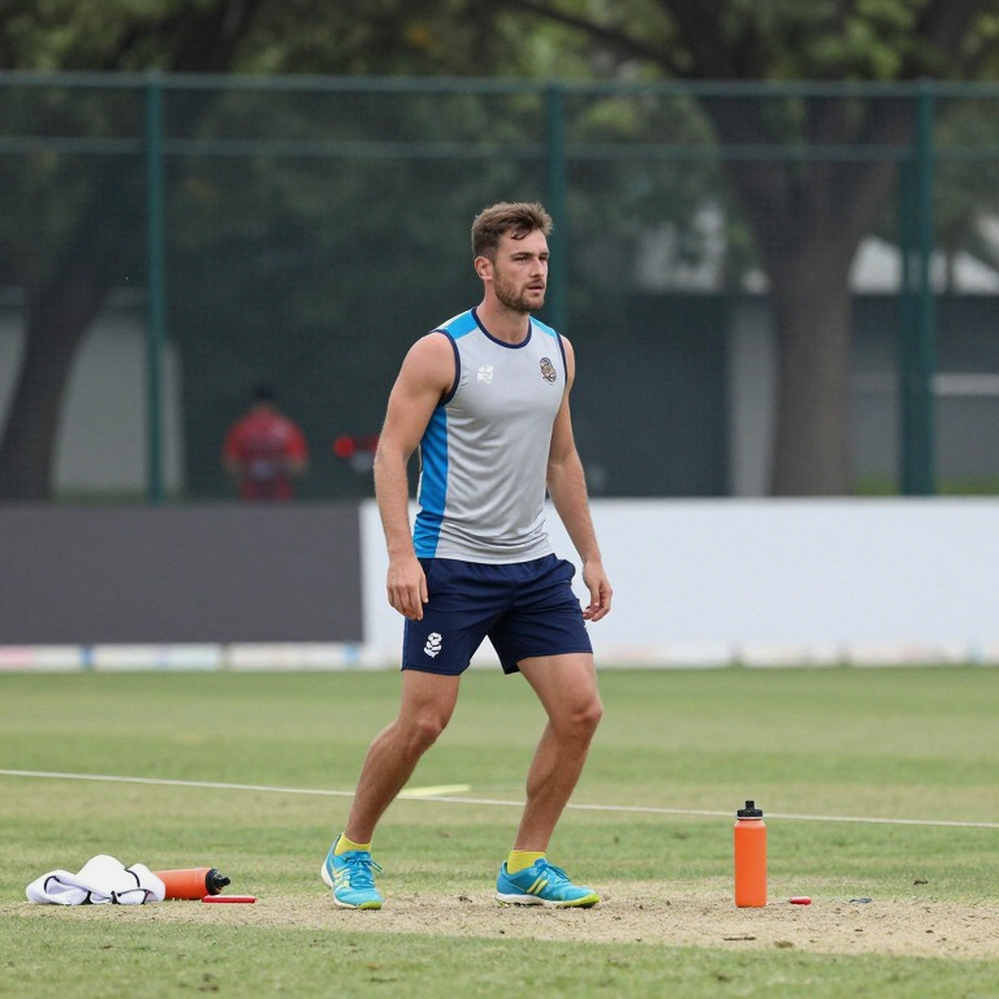
Context: the player and the policy
Schutt is one of the most experienced pacers in the Australian women's game. Right-arm seam, new-ball and death-overs responsibility—the two highest-leverage phases in women's T20 cricket. That role class tells you what a two-match absence means.
SSSM is Cricket Australia's Sports Science and Sports Medicine guideline set: a board-level internal policy governing how players must declare and obtain clearance for prescription medication, supplements and injections. It is related to, but distinct from, the WADA Code and the ICC Anti-Doping Code. TUE means Therapeutic Use Exemption—formal pre-authorisation to use an otherwise prohibited substance for genuine medical need. ADRV means Anti-Doping Rule Violation, the formal WADA classification that can carry a sanction of up to four years. Strict liability means the athlete is responsible for what is in their body regardless of intent.
What CA said: a single incident, out of competition, not for performance-enhancing purposes; a two-match ban covering all international and domestic cricket; the player will also miss the WBBL opener; the board will continue to provide appropriate support and will reinforce the standards expected of everyone representing the game.
What CA did not say is more instructive. No substance. No dates. No fixture list. No franchise. No appeal status. A board statement that silent usually means one of two things: the details are at a stage where disclosure would compromise process, or the board sees no need to disclose them because the sanction is already settled.
The core: six layers, one judgement
The cost of the sanction is calendar-contingent, not offence-contingent. Two matches served inside the WBBL window costs a franchise. The same two matches across international fixtures costs the national side. Identical length, entirely different professional meaning. The statement names only one of the two affected matches, so the true cost cannot be quantified from available information—and anyone who quantifies it is dressing inference as fact.
The word "also" points somewhere. The construction implies the WBBL opener is an additional consequence beyond a primary suspension, which suggests at least one of the two matches may be an international fixture. I hold that at low confidence. If it is right, the consequence is a selection-governance one: the board removes selectors' discretion for two fixtures.
The lightness of the penalty is the loudest clue. A substance-related breach under the WADA framework can run to four years. Two matches sits nowhere near that band. That gap is not softness; it is a classification. The board is treating this as procedural or administrative negligence—failure to declare, failure to obtain pre-authorisation—not deliberate evasion.
The "not performance-enhancing" clause is a characterisation, not a neutral finding. Boards rarely volunteer that framing unprompted. It reads as an agreed position between the player's representatives and CA, settled before publication. That protects the player from the doping narrative. It also raises the question of what else is in the underlying file. [Confidence: Medium]
The governance architecture is the real story. Cricket Australia is simultaneously employer, regulator and league operator. In that configuration a compliance sanction automatically becomes a league-product event. In the IPL or SA20 the regulator and the club are separate parties, so the leakage is messier and slower. Here the board's disciplinary reach runs straight through the league. Whether that is good or bad is a debate; that it is a structural feature of centrally contracted women's cricket is not.
Veteran player plus long-term prescription equals a specific risk profile. An older seamer is statistically more likely to carry a legitimate chronic prescription than a younger one, and that is precisely the profile that generates declaration and TUE failures. No substance is named here, so this stays inference. But Australia's pace group is veteran-weighted, and the incident raises a question about medical-protocol literacy across that group—not about any individual's conduct. CA's closing commitment to reinforce standards reads as a board-wide education response, implying the board sees the gap as group-level rather than unique to one player.
Impact by level: national side versus franchise
At national level, two matches is a rotation event. Australia's pace pool is the deepest in the women's game, and the replacement is a like-for-like international bowler rather than a domestic stopgap. The window is short. No structural break.
At franchise level the arithmetic changes. WBBL squads carry far fewer international-class seamers. Losing a senior seamer for the season opener means re-planning powerplay and death-over allocation at the least prepared point of the campaign. That is where the real sporting cost sits—and it is the part of the story the statement explains least.
Commercially the cost is real but marginal. One marquee player absent from one fixture does not threaten the league's economics. The larger exposure belongs to the player: a doping-adjacent headline attached to a senior national figure carries asymmetric endorsement risk, because sponsors price reputational volatility rather than the length of a ban. There is an uncomfortable truth underneath: the endorsement market sells a sanitised personal brand, and that brand is the first thing to crack in a moment like this.
One thing needs stating plainly. This has no connection to match manipulation. Out of competition, non-enhancing, single incidence—on those three conditions, no match, series or tournament result is placed in question. Drawing parallels to the 2026 Pakistan spot-fixing case or the 2026 IPL case would be a serious professional error.
Where I could be wrong
The biggest risk: the substance is later named and turns out to be prohibited. The file then moves to Sport Integrity Australia or an ICC anti-doping process, the classification shifts from SSSM to ADRV, and my central judgement collapses. I rate that likelihood low because the statement is unusually specific and pre-emptive. Low is not zero.
Second risk: my inference from "also" is wrong, both matches are WBBL fixtures, and the story shrinks to a routine announcement.
Third risk, and my own worst habit: the opposite error. A two-match ban is thin material for a cultural-crisis argument, and my instincts reward scale. The obvious explanation is probably the right one—an experienced player missed an administrative step, the board applied a proportionate sanction, the matter is closed. Dismissing the obvious explanation without testing it is as bad as rushing to the grand claim.
That discipline is why I have run a Hot Take Autopsy since 2026—fact-checking my own misses within 48 hours. When Messi lifted the trophy, I was already autopsying Enzo Fernández, because after the Saudi defeat I had been looking in the wrong direction. The same discipline applies here: my instinct says this is a big story, the evidence says it is a small story with one important question buried inside it.
Forward
What matters next is not the length of the ban but what CA publishes. If the two fixtures are never officially named, the board has chosen minimum disclosure about the sanction's effect—and that becomes a precedent. If the relevant SSSM clause is made public, players will at least know which step costs two matches. My prediction: a declaration-compliance audit or refresher across contracted players inside this window, and the two fixtures never itemised officially.
The question nobody will ask: does the WBBL franchise have any standing to speak here? In a centrally contracted system the answer is usually no. When the board is employer, regulator and league operator at once, the player's sanction is the club's sanction, and the club is not consulted. Schutt returns after two matches and nothing on the table changes. One thing does—we will know whose voice is final in this system.